Introduction
A practical sourcing guide for food distributors, importers and food-service buyers
Choosing a frozen French fries supplier is a supply-chain decision as much as a product decision. Importers need a product that fits their customers and equipment, a supplier that can manage raw-material seasonality, and clear coordination around documents, loading and destination requirements. This guide explains what to assess before placing an order and how Royal Fries approaches consistent supply from its factory in Gorgan, Iran.
1. Start with the product your market needs
Before comparing quotations, define the use case. A distributor serving supermarkets may need a different pack format and customer support plan from a food-service importer supplying restaurants, hotels or quick-service kitchens. Confirm the cut, preparation method and freezing format with the supplier, then check that these match the requirements of your buyers and the equipment where the fries will be prepared.
Royal Fries focuses on frozen straight-cut, par-fried, individually quick frozen (IQF) French fries. Ask for the current product specification and packaging options for the product under discussion. Confirm the agreed specification in writing before production; do not rely on a general description when you need details for purchasing, labeling or customer approval.
2. Evaluate how the supplier manages potatoes and seasonality
French fries begin with potatoes, so dependable sourcing and raw-material handling matter. Ask how the supplier plans procurement across harvest periods, how potatoes are stored, and how the team keeps the finished product aligned with the agreed specification as sources change. The goal is to understand the process and evidence the supplier can share, rather than assume that one variety or harvest window tells the whole story.
Royal Fries is based in Gorgan, an important potato-growing area in Iran. Its sourcing follows the regional harvest calendar: Gorgan potatoes, including Jelly and Donata, are available in late spring and early summer; from mid-summer, sourcing includes Ardabil potatoes, primarily Agria; and Hamedan potatoes enter the picture in early fall. The company has 4,000 tonnes of cold-storage capacity to support its raw-material planning across these periods.
When assessing any supplier, ask how incoming potatoes are selected and stored, how production decisions respond to raw-material variation, and what quality checks take place at each stage. A capable supplier should be able to explain its own process clearly and discuss the records or product information it can provide for your order.
3. Look for a quality process that spans the full operation
Consistency depends on coordination across procurement, storage, production, quality control and assurance, and packaging. Ask who is responsible for each stage, how issues are escalated, and how the supplier confirms that the packed product matches the order. Discuss the available product specification, packaging information and shipment documents early enough for your team to review them.
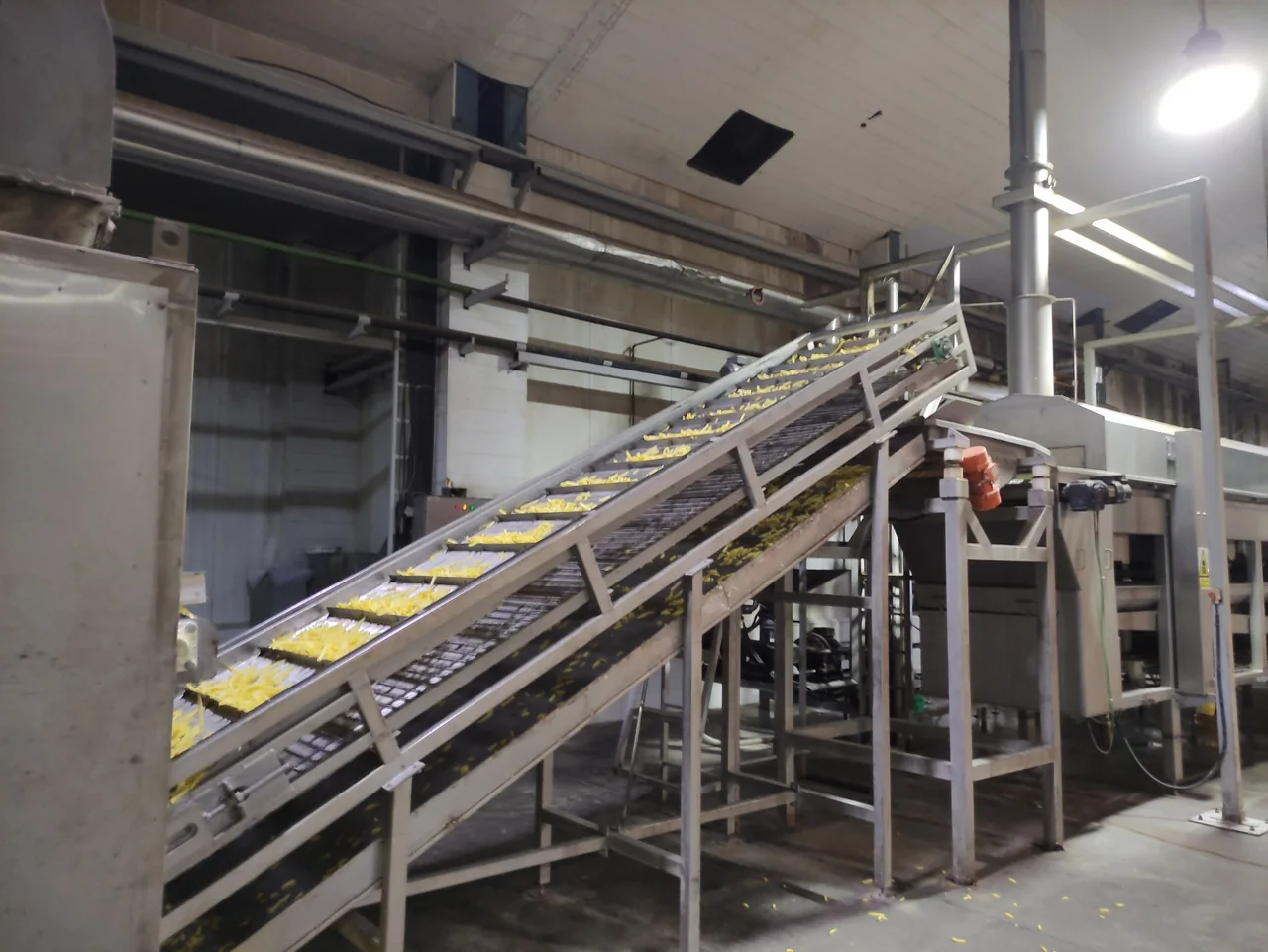
Royal Fries brings together a dedicated team across procurement, storage, production, QC/QA and packaging. With nearly a decade of experience, the company has developed its operating approach through practical production experience and continuous learning. For an importer, the useful next step is a direct conversation about the exact product and order requirements, including which quality and shipment records can be supplied for that order.
4. Match production capacity to your supply plan
A supplier’s stated capacity is useful only when it is considered alongside your order size, forecast, production schedule and shipping plan. Ask what volume can be allocated, how often production can be scheduled, how much lead time is needed, and how the supplier handles changes to forecasts. Confirm each point against the order rather than treating a general capacity figure as a guaranteed shipment schedule.
Royal Fries has the capability to produce approximately four 40-foot containers per week. This provides a basis for discussing regular supply plans with prospective buyers. Availability, order timing, packaging and shipment arrangements should be confirmed for each inquiry and purchase order.
5. Use this supplier-evaluation checklist
Before selecting a supplier, work through the following questions with your purchasing, quality and logistics teams:
- Product fit: Is the cut and preparation format suitable for your customers and intended use? Have you received and approved the current specification for the product you will buy?
- Raw-material planning: Can the supplier explain its sourcing seasons, potato varieties and storage approach, and how it manages variation through the year?
- Quality coordination: Are responsibilities clear across procurement, storage, production, QC/QA and packaging? What product and order records are available for review?
- Capacity and timing: Does the supplier have room for your planned volume? Are production windows, lead times and order changes discussed and confirmed in writing?
- Packaging and labeling: Have you confirmed pack format, marks, language, required label fields and any buyer-specific artwork or handling instructions?
- Shipment readiness: Have both parties agreed on the shipment plan, required documents, loading details and responsibilities for each step?
- Commercial clarity: Are quotation validity, payment terms, order confirmation, claim handling and communication contacts documented?
- Destination compliance: Have your importer, broker and relevant local advisers confirmed the current requirements for the specific destination and product?
A clear answer is more valuable than an impressive but vague promise. Keep the final specification, commercial terms, agreed documents and shipment instructions together with the purchase order.
6. Plan for the requirements of your destination market
Iraq, GCC countries, CIS markets and Türkiye each involve destination-specific import, food-control, labeling and documentary requirements. Requirements can also differ within a region and may change over time. Before confirming an order, check the current rules that apply to the exact destination, product, importer and route with your customs broker, relevant authorities and qualified local advisers. Confirm requirements in writing with the supplier as part of shipment planning.
Iraq
Confirm the current import and food-control process for the specific entry point, including the documents, product information, labeling language and any inspection or pre-arrival steps required for your shipment. Align these requirements with your broker and supplier before production and dispatch.
GCC
Treat each destination country separately. Confirm applicable food registration or approval steps, Arabic and other required label information, conformity or inspection documentation, and the documents needed for clearance. Do this before finalizing packaging and shipment instructions.
CIS
Requirements vary by country. Verify the destination’s current language and label rules, import documentation, product registration or conformity steps where applicable, and any route-specific requirements. Ask your local importer or broker to confirm the rules that apply to the named destination.
Türkiye
Confirm current import, food-control and labeling requirements with your Turkish importer and customs or regulatory advisers. Check that product and packaging details, documents and shipment arrangements align with requirements in force for the intended entry and sale.
7. Ask practical questions before requesting a quotation
A focused inquiry helps a supplier assess fit and respond with useful commercial information. Share your target market and delivery point, intended customer channel, required straight-cut product and packaging preference, estimated volume and ordering frequency, target timing, and any destination-specific documentation or labeling needs already identified. Ask which product specification and shipment details the supplier can provide for review.
Why importers consider Royal Fries
Royal Fries combines a Gorgan production base, access to potatoes across several Iranian harvest periods, 4,000 tonnes of cold-storage capacity and production capability of approximately four 40-foot containers per week. A dedicated team covers procurement, storage, production, QC/QA and packaging, backed by nearly a decade of experience. For importers seeking frozen straight-cut, par-fried, IQF French fries, this operating foundation supports discussions about stable supply, consistent quality and competitive value.
The right program starts with clear alignment on the product specification, order volume, timing, packaging, documents and destination requirements. Contact Royal Fries with your market and purchasing plan to discuss whether the product and supply arrangement fit your business.